Engine oil is a vital component in vehicles, reducing friction, cooling the engine, and enhancing performance. One of the essential properties of engine oil that drivers should understand is viscosity. In this guide by Greyhound Lubricants, we will help you understand what viscosity is, and why it’s important for your engine oil, particularly in monograde and multigrade oils.
What is Viscosity?
Viscosity refers to a fluid’s resistance to flow. In simpler terms, it’s a measure of how ‘thick’ or ‘thin’ a liquid is. High-viscosity fluids are thicker and flow less easily than low-viscosity fluids.
Why Does Viscosity Matter for Engine Oils?
Viscosity is crucial for engine oils because it impacts the oil’s lubricating ability. Low-viscosity oil flows easily, quickly reaching all parts of the engine, especially important during cold starts. However, if the oil is too thin, it may not provide adequate lubrication, leading to increased wear. Conversely, high-viscosity oil, being thicker and more resistant to flow, offers better protection against wear. But if the oil is too thick, it may not flow well in cold temperatures, reducing its effectiveness.
Monograde Oils
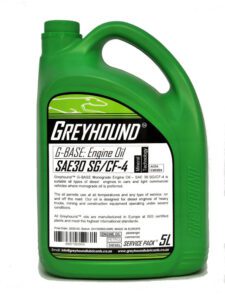
Monograde oils have a single viscosity rating and are designed to work optimally within a specific temperature range. They are labelled with a single number followed by a ‘W’ (for cold temperatures) like 5W or 10W, or without a ‘W’ (for warm temperatures) like 30, 40, or 50. Monograde oils are often used in older vehicles or certain industrial applications.
Multigrade Oils
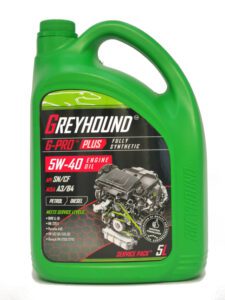
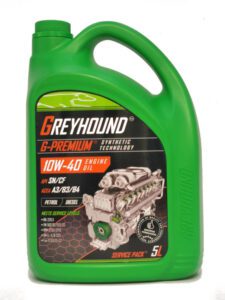
Multigrade oils are more versatile and designed to perform efficiently across a wide temperature range. These oils have two viscosity ratings and are labelled with numbers like 5W-30, 10W-40, or 20W-50.
The first number, followed by ‘W’ (which stands for ‘Winter’), indicates the oil’s viscosity at low temperatures. The lower this number, the better the oil performs in cold conditions.
The second number represents the oil’s viscosity at 100 degrees Celsius (the typical operating temperature for most engines). The higher this number, the thicker the oil remains at high temperatures, ensuring consistent protection during operation.
Multigrade oils are more commonly used in modern vehicles due to their ability to provide efficient lubrication in various operating conditions.
Choosing the correct viscosity grade, whether monograde or multigrade, as recommended by your vehicle manufacturer, is crucial. Using the wrong viscosity can lead to decreased engine efficiency, increased wear, and potentially even engine damage.
Greyhound Lubricants offers a wide selection of monograde and multigrade engine oils with different viscosities, catering to a variety of vehicles and operating conditions. We’re committed to helping you understand and choose the best engine oil for your vehicle, ensuring optimal engine performance and longevity.